विदेश-एवं-सुरक्षा

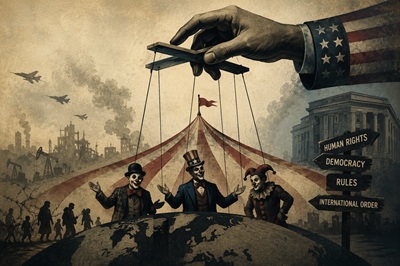
Don't Blame the Clowns. Blame the Circus

Using the recent US decision to lift sanctions on Eritrea, Amandeep Midha explores how global powers have repeatedly changed their moral positions when strategic needs demanded it. Looking at examples from Iran, Iraq, India, and Pakistan, he argues that while leaders may change, the underlying machinery of power remains the same.

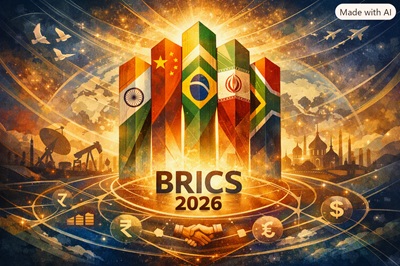
BRICS 2026: The World That Western Cameras Missed

This is a remarkably sharp analysis of BRICS 2026 by Amandeep Midha. He has captured the nuance of the summit that most analysts and media outlets completely missed. The section on the 'currency thesis' and the shift in optics is particularly insightful. You can visit his previous articles also to see his take on these structural shifts.


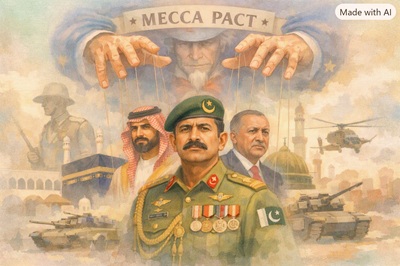
Bhure Sahib Has Arrived: The Mecca Pact and the New Face of Old Power

The Mecca Accord signed by Pakistan, Saudi Arabia, and Turkey has been described as a major shift in Middle Eastern politics. Analysts see it as a turning point, yet Amandeep Midha argues otherwise. In this essay, he contends that the pact does not mark a new geopolitical order but reinforces an old one — a continuity of imperial logic where power changes hands but not its underlying structure.

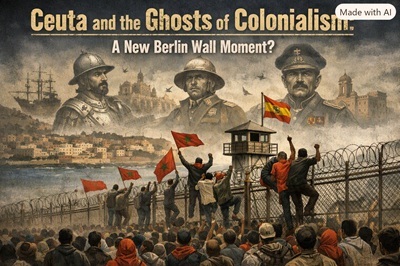
Ceuta and the Ghosts of Colonialism: A New Berlin Wall Moment?

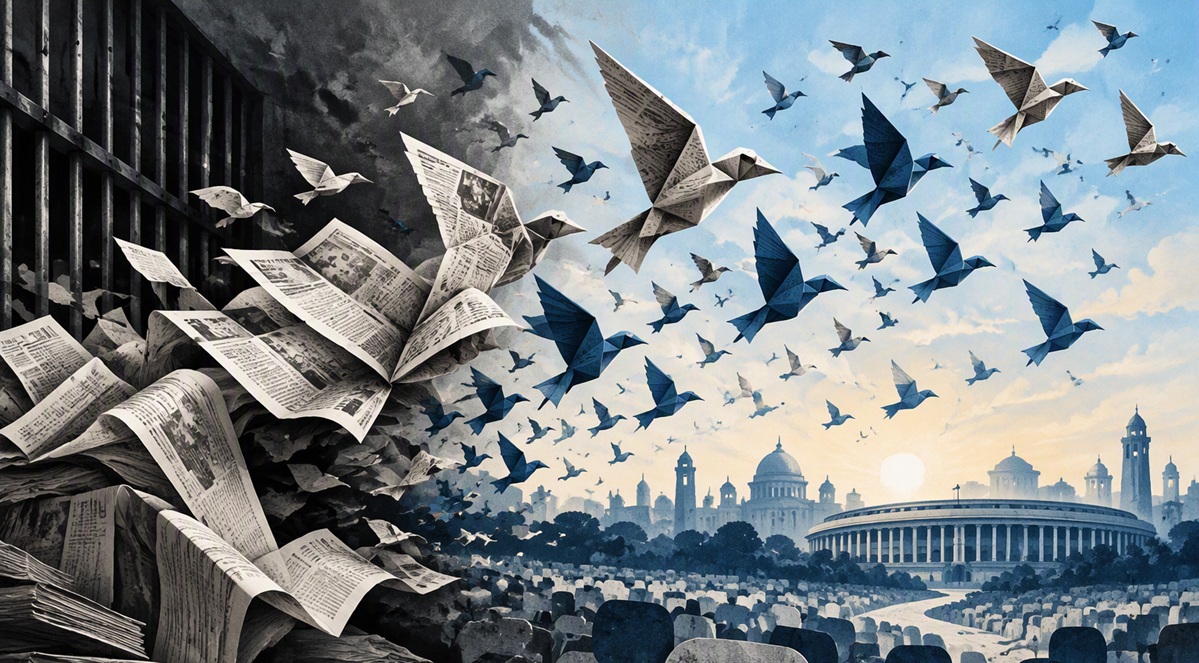
Only weeks ago, in late July 2026, India’s Education Minister Dharmendra Pradhan resigned amid Gen‑Z outrage over exam leaks. Days later, 60,000 Moroccan youth surged across Spain’s Ceuta. Taken together, these upheavals show how restless generations can shake institutions — whether classrooms in Delhi or colonial borders in Europe. 

The 70-Year Record of Bombing, Bullying, and Calling It Order

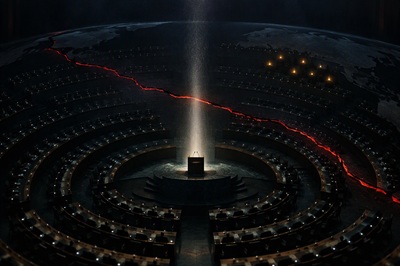
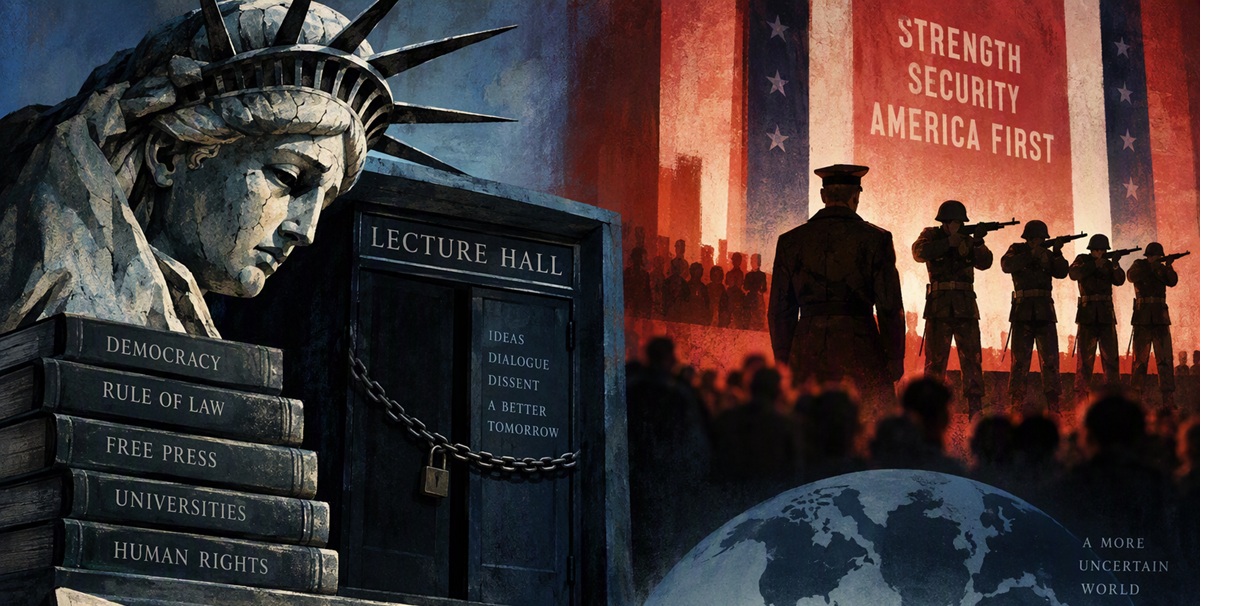
Donald Trump’s threat to “blow up Oman” was vintage Trump—provocative, outrageous, yet hardly surprising. The remark drew global condemnation, but Amandeep Midha places it in a wider frame: the West’s seventy-year habit of dropping bombs at will while preaching a “rules-based international order.” Trump’s bluntness may have shocked, but the pattern long predates him. In his latest essay, Midha traces this continuity of violence and impunity, showing how one sentence at a Cabinet meeting revealed the true operating logic of Western power. 

Palestine: The Wound That Was Named, Not Made

As with his earlier writings, Amandeep Midha's latest piece is also vivid, persuasive, and intellectually alert. It does not merely recount history; it asks why some histories are remembered more readily than others, and what it means when a wound is refused erasure. For readers who value thoughtful, well-argued commentary, this is an essay that deserves close attention.

Browse Archives

We are trying to create a platform where our readers will find a place to have their say on the subjects ranging from socio-political to culture and society. We do have our own views on politics and society but we expect friends from all shades-from moderate left to moderate right-to join the conversation. However, our only expectation would be that our contributors should have an abiding faith in the Constitution and in its basic tenets like freedom of speech, secularism and equality. We hope that this platform will continue to evolve and will help us understand the challenges of our fast changing times better and our role in these times.

About us | Privacy Policy | Legal Disclaimer | Contact us | Advertise with us

Copyright © All Rights Reserved With

RaagDelhi: देश, समाज, संस्कृति और कला पर विचारों की संगत

Best viewed in 1366*768 screen resolution
Designed & Developed by Mediabharti Web Solutions