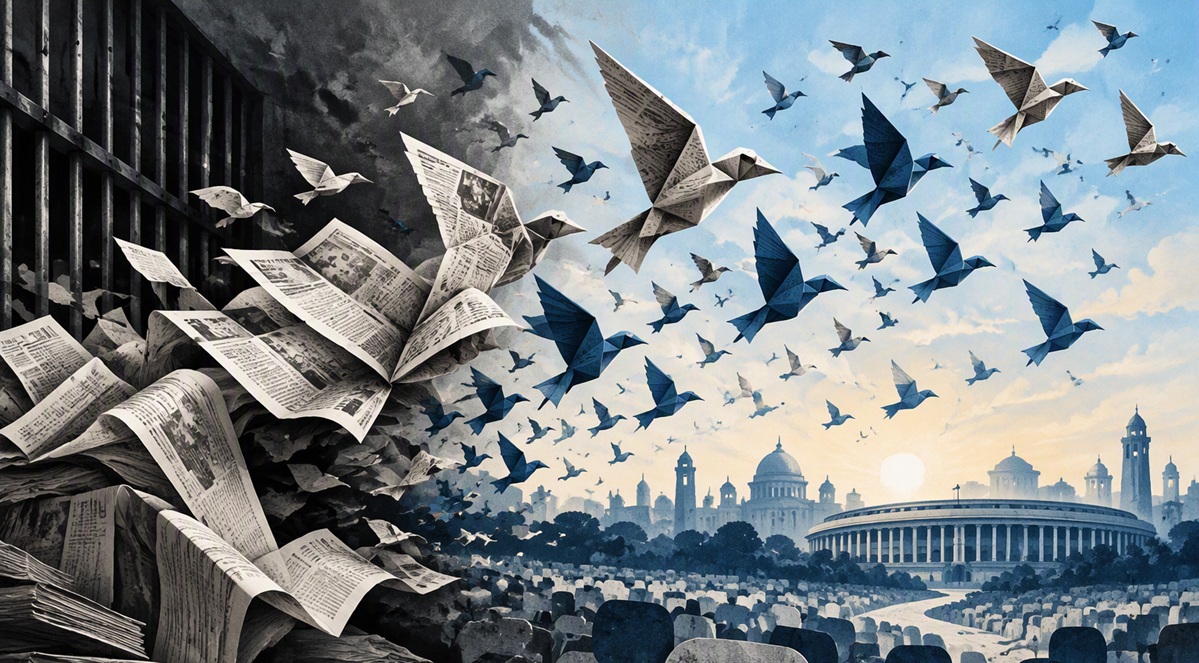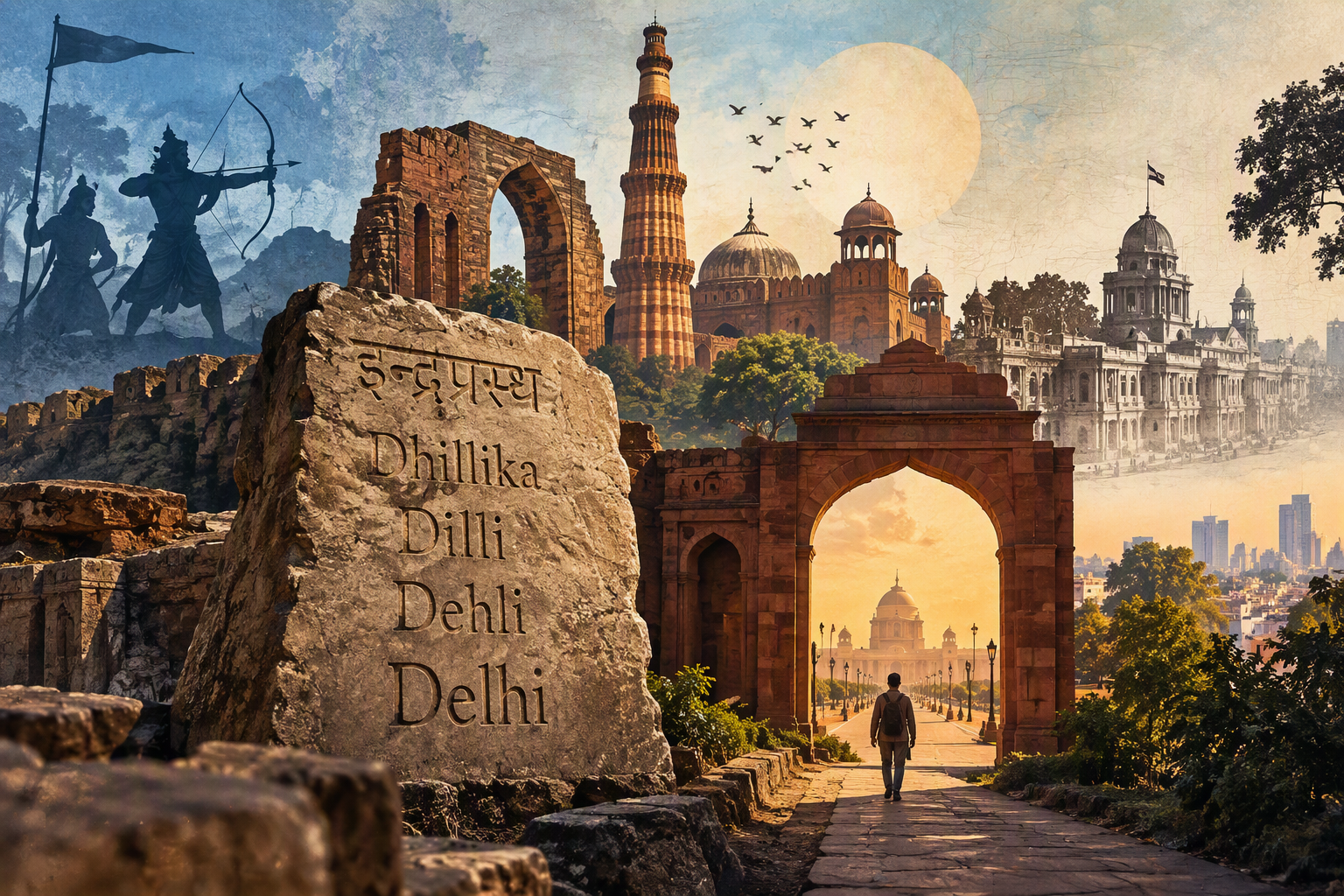
In The Shortest History of Delhi, historian John Zubrzycki approaches the city not merely as a political capital but as a living archive of myths, invasions, faiths, ambitions and memories. Sudhirendar Sharma reflects on a book that explores the many histories embedded in a single name and asks what makes Delhi one of the world's most enduring urban imaginations.