आर्थिक-मामले

A Trade Deal on Paper, a Balance Sheet Move in Practice

It has become Amandeep Midha’s habit to uncover nuances in events that many commentators overlook in their early readings. As his previous articles show, he keeps a sharp eye on geo‑political matters. In his latest piece on the India–US trade deal, his central idea is that the tariff agreement is, in fact, a way of spending reserves without announcing it. To us, this is an original and compelling insight—one that moves the discussion beyond trade arithmetic into the realm of strategic finance. We invite you to read on and appreciate what we mean.

From Shock to Awe: India's UPI Lessons for Europe's Digital Future

Amandeep Midha, long settled in Denmark, marvels at India's digital governance—above all, UPI's quiet revolution. He calls on Europe to take notes from this Indian story.


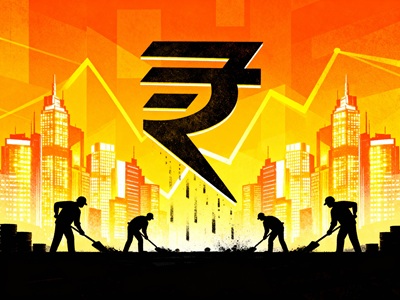
Why India’s Growth Story Does not Add Up for Everyone

India today presents a confusing picture: a confident government constantly celebrating the nation as the world's fastest-growing major economy, promising to be the third-largest by 2030. These headline figures often look great, with national growth rates soaring past 7%. Yet, for the average person, this "prosperity" often feels distant. 

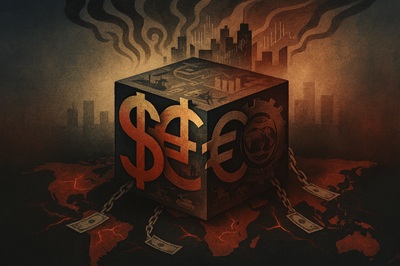
Slave Economies of Debt: The Illusion of Capitalism’s Success

When confidence in the dollar weakens, war becomes an economic strategy. Capitalism’s greatest illusion is that it delivers prosperity through freedom. In truth, it delivers hierarchy through debt. The dollar’s empire may one day wane, but the lesson must remain: sovereignty cannot coexist with financial dependency.

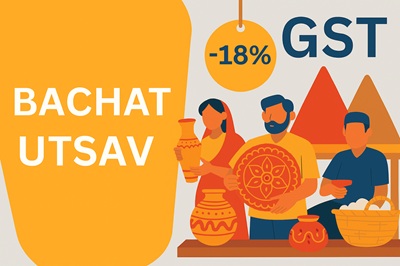
Bachat Utsav - Can India’s Festive Cheer Revive Its Real Economy?

Although the GST Council’s recent decisions have been widely welcomed, some critics have questioned their timing. Why were the rate cuts not introduced earlier, they ask, and why were citizens made to pay higher GST for eight years? K.G. Sharma, however, refrains from critiquing the delay. Instead, he emphasizes that the true value of the “Bachat Utsav” lies in its ability to revive small-scale manufacturing, support artisans, and strengthen the informal economy—the very backbone of festive production and local livelihoods.

GST 2.0: Nine Years Later, A Tax Reckoning Arrives

GST 2.0 has been generally welcomed. However, according to some reports, several State Finance Ministers at the GST Council meeting demanded a clear assurance from the Centre that their revenue losses would be compensated. Clearly, they were unable to extract any firm commitment, the reason being that, despite the expected spur in demand, the revised GST rates are estimated to have revenue implications of around ₹48,000 crore. 

We are trying to create a platform where our readers will find a place to have their say on the subjects ranging from socio-political to culture and society. We do have our own views on politics and society but we expect friends from all shades-from moderate left to moderate right-to join the conversation. However, our only expectation would be that our contributors should have an abiding faith in the Constitution and in its basic tenets like freedom of speech, secularism and equality. We hope that this platform will continue to evolve and will help us understand the challenges of our fast changing times better and our role in these times.

About us | Privacy Policy | Legal Disclaimer | Contact us | Advertise with us

Copyright © All Rights Reserved With

RaagDelhi: देश, समाज, संस्कृति और कला पर विचारों की संगत

Best viewed in 1366*768 screen resolution
Designed & Developed by Mediabharti Web Solutions