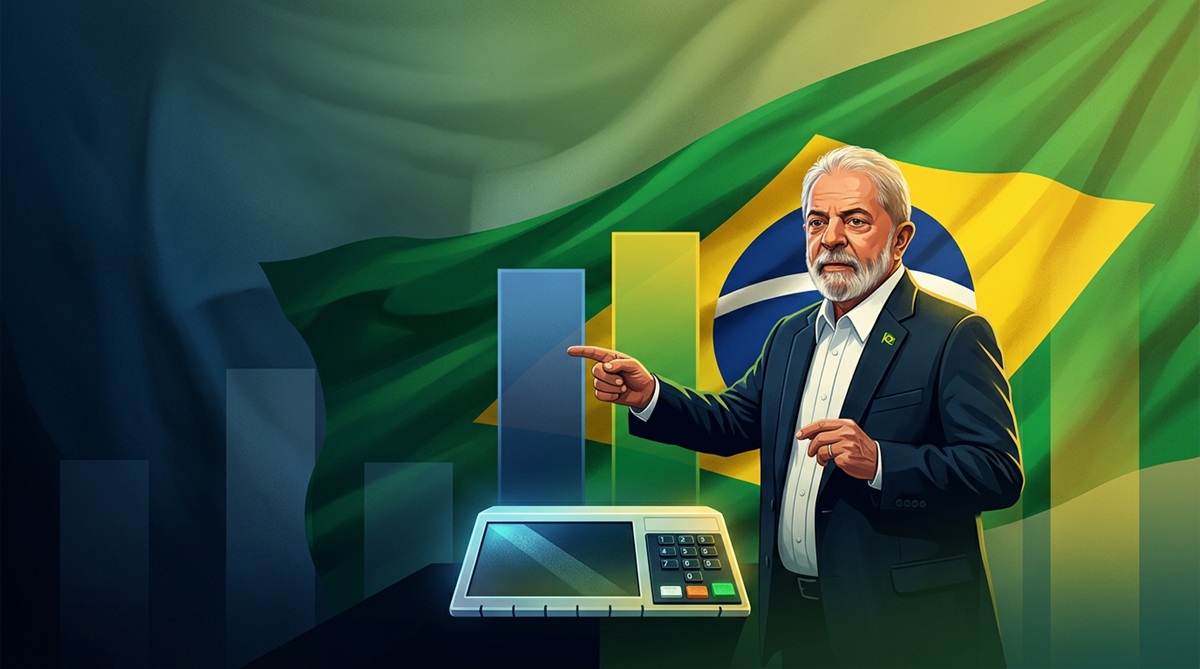
In an unexpected turn, Brazil’s incumbent President, Lula da Silva—who famously rebuffed the United States by declaring that “Brazil is no one’s backyard”—has been re-elected to a historic fourth, non-consecutive term by a razor-thin margin, securing 51.8% of the vote against Flávio Bolsonaro’s 48.2%. Lula’s victory goes against the trend in Latin America, where right-wing forces have been gaining ground. It is also being seen as a clear setback for Donald Trump, who had hoped for Lula’s defeat and a wider expansion of US influence in the region. Amandeep Midha analyses the scenario for our readers.
Lula’s Lesson: Hold the Ground Before You Hold the Stage
Amandeep Midha
Brazil’s runoff has produced a result that every capital will study. With all votes counted, Lula led Flávio Bolsonaro by nearly 4.4 million votes, taking 51.8 per cent. Three weeks earlier, Bolsonaro had finished the first round ahead, 47.03 per cent to 45.16 per cent. Flávio says he will seek to annul the result over a ruling that extended voting by two hours, but analysts consider that unlikely to succeed given the margin.
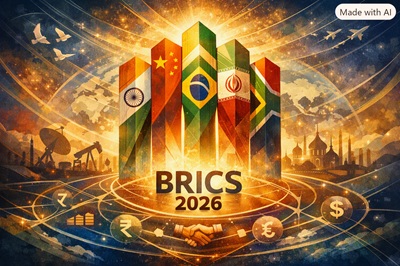
For BRICS, the relief is real. The question is what Brazil would have looked like otherwise.
What was on offer
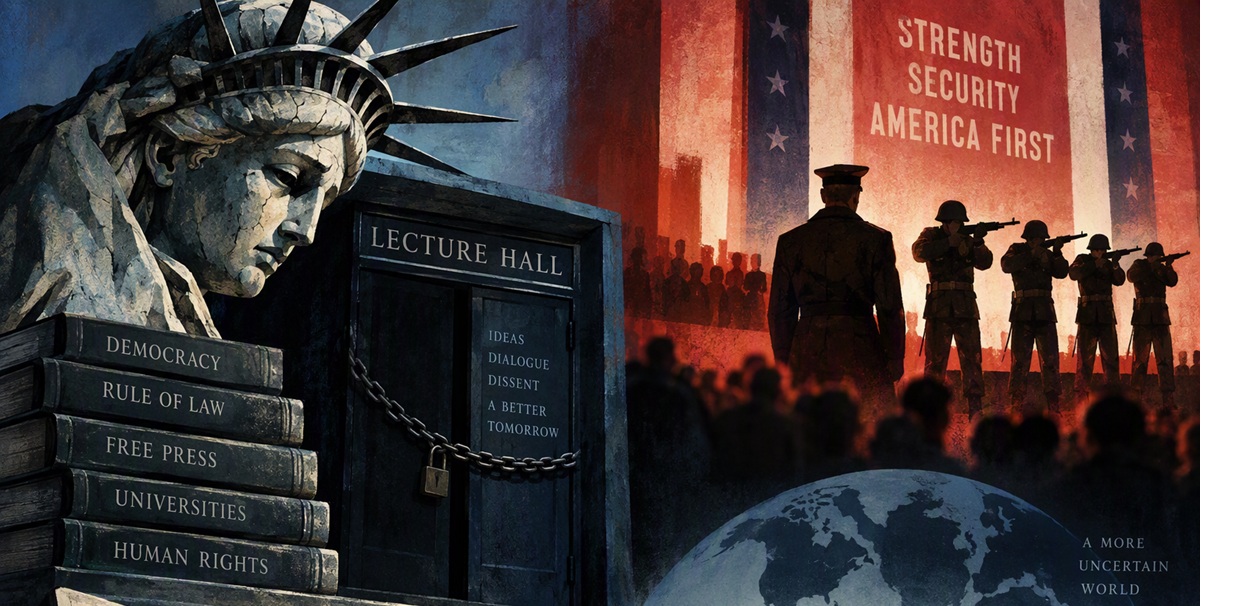
Flávio promised to join Trump’s Shield of the Americas, seek a free trade agreement with Washington immediately, and pursue rare-earth partnerships that could help the United States reduce its dependence on China. Brazilian analysts who read his CPAC speech saw alignment with the US and Israel and a role for Brazil as a raw-materials exporter.
Lula’s camp went further. Minister Guilherme Boulos accused Flávio of wanting to hand the Americans access to rare earths and critical minerals “on a platter”. The Workers’ Party cited a 22-page English-language mineral partnership presentation carrying the campaign’s branding, and asked the Supreme Court to investigate suspected foreign financing. These are allegations from the governing party, not findings.
Proxy or Partner?
Flávio’s written platform struck a pragmatic tone toward China, and it found no pledge to leave BRICS. Trump’s circle reportedly viewed both candidates favourably and had not endorsed either. His supporters would call alignment with Washington a sovereign choice, as Lula’s own diplomacy is. The real risk was never a dramatic exit. It was a slow hollowing-out of Brazil’s role in the bloc it helped found.
The BRICS Summit He Skipped
In September, India hosted the BRICS leaders’ summit in New Delhi, and Lula did not attend. Foreign Minister Mauro Vieira went in his place, and the reason given was the election campaign. This was not a leader who avoids the world. He had made a state visit to India in February and met Prime Minister Modi. He simply judged, correctly, that his job was not safe.
He then went back to the ground. Congress approved a constitutional amendment ending Brazil’s six-day working week, giving workers two paid days off without a cut in wages, and the government had already raised Bolsa Familia payments. He also targeted the 33.4 million Brazilians who stayed away from the first round. Those are the voters who decide close elections, and they are rarely moved by summit communiqués.
The Lesson
Summit photographs do not pay wages. A handshake in a foreign capital does not lower the price of food. A leader whose standing abroad is not matched by results at home is exposed, because an opponent who campaigns on rent, jobs and safety will find the gap. Flávio nearly did. It would be wrong to oversell it. Lula trailed in round one, and the right made significant gains in the congressional elections, so he returned to power facing a hostile legislature. Skipping a summit hosted by a founding partner also carries a diplomatic cost, even if Vieira’s presence and February’s visit softened it.
Still, the lesson holds for every government watching: win the argument at home first, then take it abroad. Brazil’s seat at the BRICS table is secure for now, kept by a president who understood when to be elsewhere.
*********

Amandeep Midha is a technologist, writer, and global speaker with over two decades of experience in digital platforms building, data streaming, and digital transformation. He has contributed thought leadership to Forbes, World Economic Forum, Horasis, and CSR Times, and actively engages in technology policy-making discussions. Based in Copenhagen, Amandeep blends deep technical expertise with a passion for social impact and storytelling.

We are trying to create a platform where our readers will find a place to have their say on the subjects ranging from socio-political to culture and society. We do have our own views on politics and society but we expect friends from all shades-from moderate left to moderate right-to join the conversation. However, our only expectation would be that our contributors should have an abiding faith in the Constitution and in its basic tenets like freedom of speech, secularism and equality. We hope that this platform will continue to evolve and will help us understand the challenges of our fast changing times better and our role in these times.
About us | Privacy Policy | Legal Disclaimer | Contact us | Advertise with us